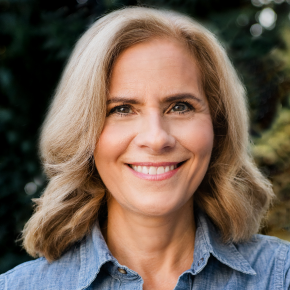
By Diana Lapp, LCSW
If you’ve been feeling overwhelmed, disconnected, or constantly “on,” you’re not alone.
This article is for you if you are navigating stress, anxiety, or burnout—especially if you’re curious about more holistic, grounded approaches to healing.
After recently attending a certification intensive with the Center for Nature Informed Therapy, I experienced firsthand how nature informed therapy can support emotional regulation, connection, and overall well-being.
In this post, you’ll learn:
- What nature-informed therapy is
- Why nature helps regulate the nervous system
- Simple ways to begin reconnecting with nature in your daily life
Why We Feel Disconnected (and Why It Matters)
Modern life keeps us indoors, overstimulated, and often disconnected—from ourselves, others, and the natural world.
Many of us spend the majority of our time inside, moving from screen to screen, constantly “on” and rarely pausing.
Over time, this can contribute to:
- Increased anxiety
- Mental fatigue
- Feelings of loneliness or disconnection
At a biological level, this matters.
Humans are wired for:
- Connection
- Movement
- Environmental awareness
In nature, we see this reflected everywhere. Trees, for example, exist in interconnected systems—sharing nutrients and supporting one another through their roots.
We are not meant to function in isolation either.
What Is Nature Informed Therapy?
Nature-informed therapy is an approach that integrates the natural world into the healing process—either by being outdoors or by bringing elements of nature into therapeutic spaces.
Through the Center for Nature Informed Therapy, this work is rooted in research, experiential practices, and a deep understanding of the relationship between humans and nature.
This can look like:
- Walk & Talk therapy sessions
- Mindfulness practices in nature
- Using nature-based metaphors
- Incorporating sensory experiences (sounds, visuals, textures)
It’s not about replacing traditional therapy—it’s about enhancing it.
How Nature Helps with Anxiety and Stress
One of the most powerful takeaways from my training was how nature supports the nervous system.
For example:
- Birdsong signals safety, helping reduce anxiety
- The color green promotes calm and lowers stress levels
- Natural environments help reduce rumination and overthinking
- Support creativity
Attention Restoration Theory, explains how nature helps restore focus and reduce mental fatigue through gentle, effortless attention—sometimes called “soft fascination.”
The color green promotes calm and lowers stress levels
Natural environments help reduce rumination and overthinking
Support creativityEven small moments—like opening a window and hearing birds—can create a meaningful shift.
5 Simple Ways to Start Connecting with Nature
You don’t need to live near a forest or hike miles to benefit from nature.
Here are simple, practical ways to begin:
1. Pause Before Your Phone in the Morning
Take a few moments to breathe, look outside, or notice the light before reaching for your phone.
2. Open a Window
Fresh air, natural light, and sound can instantly shift your environment.
3. Listen to Nature Sounds
If you can’t get outside, use recordings of birds, water, or wind to support relaxation.
4. Create a “Sit Spot”
Choose a place you return to regularly—even for 5–10 minutes—to observe and slow down.
5. Engage Your Senses Outdoors
Notice what you see, hear, and feel. Let nature guide your attention instead of forcing it.
What to Expect from Nature-Informed Therapy
If you’re considering this approach, it’s helpful to know:
- Sessions can be outdoors or indoors
- You don’t need prior experience with nature
- It moves at your comfort level
- It can be especially helpful for anxiety, stress, and feeling disconnected
Nature-informed therapy is also inclusive and adaptable, meaning it can meet you wherever you are—physically and emotionally.
A Personal Reflection
During my training, I spent three days immersed in nature—waking up early, watching the sunrise, listening to birds, and slowing down in ways that felt unfamiliar but deeply needed.
I intentionally stepped away from my phone, keeping it on “Do Not Disturb,” which allowed me to be fully present—not just with nature, but with the people around me.
I was part of a small group within the cohort—our water element group—which we later renamed Flow State. While the full group of 45 participants connected in meaningful ways, there was something especially powerful about the smaller group dynamic. Through shared experiences, reflection, and conversation, we built a sense of trust, support, and genuine connection that reminded me how much we, as humans, need community.
One of the most impactful moments for me came during a creative exercise where we were invited to simply play in nature.
I decided to build a small fort using branches, pinecones, leaves, and other natural materials I found on the ground. At first, I felt uncomfortable and unsure. My mind was trying to make sense of it, questioning if I was “doing it right.”
But as I let go of that pressure, something shifted.
I became more present. More creative. More connected.
I remember sitting under a pine tree—one that I felt especially drawn to—and continuing to build. My hands got sticky from sap, and instead of being bothered, I leaned into the sensory experience. I created a small “fire” out of twigs and pinecones, which later transformed into something symbolic and playful.
At one point, someone from my group approached and offered me a feather. That simple moment of connection turned my creation into a shared experience—it even became a kind of “celebration,” representing connection and presence.
Later, I sat quietly in that space I created.
And something shifted internally.
My body softened.
My thoughts slowed.
I felt grounded, calm, and connected in a way that felt both new and familiar.
It reminded me:
We are not separate from nature—we are nature.
Final Thoughts
You don’t need to completely change your life to reconnect.
Small moments matter.
- A pause in the morning
- The sound of birds
- A few minutes outside
These are not insignificant—they are entry points back to yourself.
If you’ve been feeling overwhelmed, this is your invitation to start small.
Nature is already there, waiting to meet you.
Recommendation
I highly recommend the certification program through the Center for Nature Informed Therapy for professionals who want to meaningfully integrate nature into their practice.
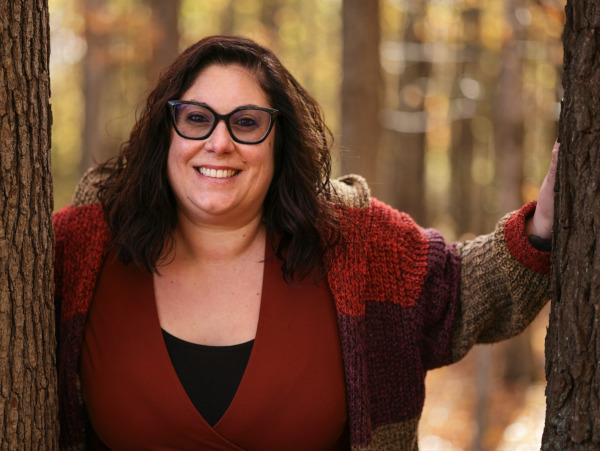
Diana Lapp, LCSW, is a therapist and founder of Inner Strength Counseling Services, LLC, supporting adults navigating anxiety, self-doubt, and life transitions. She integrates nature-based approaches into her work and is currently completing her certification as a Nature-Informed Therapist (Summer 2026). She offers Walk & Talk therapy, women’s groups, and community-based events designed to foster connection and growth. You can contact Diana at diana.lapplcsw@innerstrengthcounselingservicesllc.com or call her at 929-445-8532