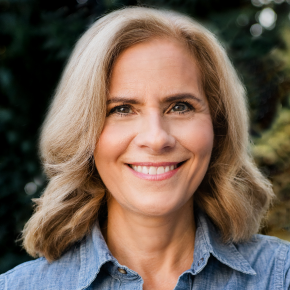
By Mariann Bischoff, MS, MSW, LCSW.
If you are reading this, something in your life may feel heavy right now. You may be seeking trauma recovery while facing anxiety and depression that loop through your mind day and night. Whether it’s global stress or personal struggles—a draining job, a strained relationship, or unresolved past experiences—your body may still carry it. Through mindfulness and nature, you can begin supporting nervous system regulation and find a path toward healing.
Whatever brought you here: you are not alone, and you are not broken. This article is for anyone living with stress, anxiety and depression, trauma, PTSD, burnout, or that persistent feeling of being stuck. We will explore two powerful and accessible paths toward somatic healing: mindfulness and nature, and how together they can help your nervous system settle, your mind quiet, and your sense of yourself return.
What Trauma and Chronic Stress Do to the Body and Mind
Trauma is not only what happens during catastrophic events. It is also the accumulation of smaller wounds: growing up feeling unseen, years of financial stress, losing community, or simply carrying too much for too long without enough support.
When we experience trauma, anxiety and depression, our nervous systems shift into a state of high alert. We feel reactive, exhausted, or numb. We may have trouble sleeping or concentrating. We often avoid difficult feelings, keeping busy, because turning toward the pain feels like too much.
That avoidance makes sense. It protected us at some point. But over time, it keeps us stuck. The Buddhist teacher Thich Nhat Hanh described it this way: there is a wounded child within each of us asking for our attention. The longer we turn away, the more persistent that calling becomes. The good news is that the nervous system can heal, and two of the most effective tools for that healing are closer than you think.
What Mindfulness Actually Is
Mindfulness is not about emptying your mind or sitting in silence for an hour. It is simply this: bringing your awareness to the present moment, on purpose, with compassion and without judgment. It is the practice of connecting your mind to your body, noticing what you are actually experiencing right now through your senses.
When the mind is anchored in the present moment, it cannot spiral as easily into past regrets or future fears. The loop of anxious or depressive thinking loses its grip. Research consistently shows that mindfulness reduces cortisol, calms the fight-or-flight response, and helps people with anxiety and depression, PTSD, and trauma process difficult feelings without being overwhelmed by them. Best of all, it can be practiced anywhere: on a walk, while washing dishes, turning on your computer, or simply by taking one conscious breath.
Why Mindfulness and Nature Heal Together
Think back for a moment. Is there a place in nature, from your childhood or any time in your life, where you felt calm, safe, or connected to something larger than yourself? A stretch of beach, a mountain trail, a backyard garden, the sound of rain? Many of us carry these memories without fully recognizing how healing they were and still are.
Research confirms what we have always sensed: nature regulates the nervous system in ways few other environments can. Time in natural settings lowers cortisol, improves mood, reduces symptoms of anxiety and depression, and supports better sleep. The rhythms of the natural world — birdsong, flowing water, light through trees — offer the nervous system a rest it rarely gets in our overstimulated daily lives.
Nature also draws us into the present moment. When you notice the texture of bark, the sound of a stream, or the warmth of sun on your face, your mind is pulled out of rumination and back into now. This is why mindfulness and nature are such natural partners in healing.
Simple Mindfulness and Nature Practices to Try
You do not need to be an experienced meditator or an outdoor enthusiast. Here are some places to start:
- Take a slow walk outside and pay attention to one thing at a time: a sound, a color, the feeling of the ground beneath your feet.
- Try two minutes of mindful breathing. Breathe in, and simply notice that you are breathing in. Breathe out, and notice that you are breathing out. When your mind wanders, gently and compassionately return.
- Step outside for five minutes. Look at the sky or a nearby tree. Notice what happens in your body.
- Bring to mind a memory of a time you felt calm in nature. Let yourself rest there for a moment. Notice how it feels in your body.
- Try grounding: stand barefoot on grass or soil, feel the earth beneath you, and take three slow breaths.
How Therapy Can Support Deeper Healing
These practices are meaningful starting points. Doing them alongside therapy is often where lasting trauma recovery happens.
In my work at Mindfulness Therapy, LLC, I offer a warm, non-judgmental space where we explore your unique history with mindfulness and nature: what has helped you feel grounded before, and how to bring more of that into your daily life. I integrate mindfulness directly into sessions, helping you reconnect mind and body, and I offer walking meditation and sessions outdoors in nature.
I also use Accelerated Resolution Therapy (ART®), a somatic, trauma-informed approach that uses eye movements to support and accelerate neurological healing. Importantly, ART® does not require you to share details of your trauma history to be effective. For clients who feel stuck, I use compassionate, motivational conversations to help clarify what you truly want and identify steps that feel genuinely possible right now.
Common Questions About Mindfulness, Nature, and Trauma Healing
Do I need experience with meditation?
Not at all. We work at your pace, weaving mindfulness into everyday activities in ways that feel natural to you.
What if I have limited access to nature?
Even small doses count: a plant, an open window, a brief walk around the block. We explore what is available to you.
Is this approach helpful for trauma and PTSD?
Yes. These approaches are well-supported in trauma recovery, and we always work at a pace that feels safe.
You Don’t Have to Keep Carrying This Alone
Whether you are navigating trauma, PTSD, anxiety and depression, grief, burnout, or simply a sense that something needs to change, healing is possible. Mindfulness and nature can help your nervous system find its way back to calm, quiet the mental loops that keep you stuck, and reconnect you with a sense of presence and even joy. You already carry the capacity to heal. Sometimes, we just need a little accompaniment and guidance to find our way.

“Our guest blogger, Mariann Bischoff, MS, MSW, LCSW is a licensed clinical social worker, mindfulness therapist, and assistant professor at Rutgers School of Social Work. She is an ordained member of the Order of Interbeing, the engaged Buddhist mindfulness tradition founded by Thich Nhat Hanh, and has practiced mindfulness for over twenty years. She integrates mindfulness, nature-based approaches, Motivational Interviewing, and Accelerated Resolution Therapy (ART®) in her private practice, Mindfulness Therapy, LLC, serving clients in New Jersey in-person and virtually. You can reach out for a free consultation by calling 908-777-0849.”