By Brooke Lichter, LCSW
If you’ve ever felt stuck in traditional talk therapy—or wondered if there’s a more experiential way to heal—this article is for you.
Equine-Assisted Psychotherapy (EAP) offers a unique, hands-on approach to emotional healing by working with horses in a safe, supportive environment. This article will walk you through what EAP is, how it works, who it helps, and what you can expect from a session.
What You’ll Learn in This Article
In this article, you’ll learn:
- What Equine-Assisted Psychotherapy is
- How working with horses can support emotional healing
- What happens during an EAP session
- How EAP differs from therapeutic riding
- How EAP may help with trauma, anxiety, and emotional regulation
- Common misconceptions about equine-assisted psychotherapy
What Is Equine-Assisted Psychotherapy?
Equine-Assisted Psychotherapy (EAP) is a mental health approach where licensed and certified therapists incorporate horses into the therapeutic process. Unlike traditional therapy, EAP is experiential—meaning you actively engage in activities rather than only talking.
Sessions typically involve:
- Grooming
- Leading
- Observing horse behavior
- Completing structured activities or obstacles
- Mindfulness practice
- Structured exercise
These interactions act as real-life metaphors, helping you better understand your emotions, behaviors, and relationships.
Why Equine-Assisted Psychotherapy Can Be Effective
Horses Offer Real-Time Feedback
Horses are highly intuitive animals that often respond to human emotions, body language and energy in real time. Because they are nonjudgmental and sensitive to energy, they provide immediate, honest feedback.
For example:
- Anxiety may cause a horse to become unsettled
- Calmness often helps regulate the horse
- Confidence encourages connection
This creates powerful opportunities for:
- Self-awareness
- Emotional regulation
- Improved communication
For many people, especially those who struggle to put feelings into words, this approach can feel more natural and accessible than traditional therapy.
How Equine-Assisted Psychotherapy Works
Step 1: Building Awareness
Clients begin by observing the horse’s behavior and their own reactions. This helps identify emotional patterns and triggers.
Step 2: Engaging in Ground-Based Activities
You’ll participate in structured exercises like leading a horse or navigating obstacles. These activities mirror real-life challenges such as trust, boundaries, and communication.
Step 3: Processing the Experience
With guidance from a therapist, you reflect on what happened during the activity and how it connects to your life.
Step 4: Practicing Regulation and Connection
Clients learn to regulate emotions in real time—because staying calm and present directly impacts how the horse responds.
What to Expect in an Equine-Assisted Psychotherapy Session
If you’re new to EAP, it’s normal to feel unsure at first. Here’s what typically helps:
- No horse experience is needed
- Sessions are ground-based (no riding required)
- You’ll work at your own pace
- Emotional safety is prioritized at all times
Many clients are surprised by how quickly they form a connection with the horse—and how much insight comes from simple interactions.
Equine-Assisted Psychotherapy vs. Therapeutic Riding
Although both involve horses, they serve different purposes:
Equine-Assisted Psychotherapy (EAP)
- Focus: Emotional and mental health
- Led by: Licensed mental health therapists and certified in EAGALA
- Style: Ground-based, experiential
- Goal: Insight, healing, personal growth
Therapeutic Riding
- Focus: Physical, cognitive, developmental or adaptive riding goals
- Led by: Riding instructors certified by PATH International Certified Therapeutic Riding Instructors
- Style: Riding-based
- Goal: Balance, coordination, strength
Understanding this difference helps you choose the right approach for your needs.
How EAP May Help with Trauma, Anxiety, and Emotional Healing
Equine-Assisted Psychotherapy is especially effective for individuals dealing with trauma, anxiety, depression, and life transitions.
Why it works:
- Horses provide nonjudgmental feedback
- The environment feels safe and grounding
- Sessions focus on experience rather than explanation
Key therapeutic benefits:
- Rebuilding trust
- Increasing emotional awareness
- Strengthening regulation skills
- Building confidence and resilience
- Developing healthier relationship patterns
For trauma survivors, this can feel less overwhelming than traditional talk therapy while still being deeply impactful.
Common Misconceptions About Equine-Assisted Psychotherapy
“I need horse experience.”
You don’t. Beginners are always welcome!
“It’s just for kids.”
Many adults benefit even more due to deeper life experiences. We only work with ages 12 and older.
“It’s just being around horses.”
Sessions are structured and guided by trained professionals.
“It replaces therapy.”
It is therapy—just in a different, experiential form. We often encourage clients to also seek traditional talk therapy in conjunction with equine assisted psychotherapy.
FAQs About Equine-Assisted Psychotherapy
Do I have to ride the horse?
No. EAP sessions are entirely ground-based.
Is Equine-Assisted Psychotherapy safe?
Yes. Sessions are facilitated by trained professionals who prioritize safety for both clients and horses.
Who is Equine-Assisted Psychotherapy best for?
EAP can support individuals experiencing anxiety, trauma, depression, relationship challenges, or personal growth goals.
How quickly does Equine-Assisted Psychotherapy work?
Everyone’s experience is different, but many people notice increased awareness and insight even after a few sessions.
Conclusion: Healing Through Connection
Equine-Assisted Psychotherapy offers something many people are searching for: a way to heal that feels active, connected, and real.
Through working with horses, clients often experience:
- Greater self-awareness
- Stronger emotional regulation
- A renewed sense of confidence and connection
Healing doesn’t always happen through words alone. Sometimes, it happens through presence, relationship, and shared experience.
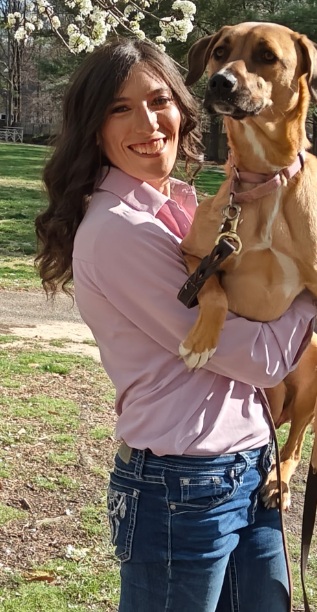
Brooke Lichter, LCSW is one of the founders of Operation Hope and has dedicated her life to the healing connection between animals and people. After volunteering with the Monmouth County SPCA and working at a therapeutic riding center, Brooke went on to earn both her Bachelor’s and Master’s degrees in Social Work from Monmouth University with a concentration in clinical practice with children and families.
She is certified through EAGALA as an Equine Specialist and has a special gift for guiding clients through equine-assisted psychotherapy in safe, grounded, and empowering ways. For Brooke, Operation HOPE is more than a career—it’s a calling to help others find peace through presence, nature, and connection.
About Operation HOPE: At Operation HOPE (Hold On Pain Ends), we’re dedicated to creating a unique and transformative therapeutic experience—one rooted in compassion, presence, and personal growth. Our trauma-informed practice supports individuals of all ages through a range of holistic, evidence-based services, including talk therapy, eco therapy, and equine-assisted psychotherapy.
Operation HOPE provides a unique, nature-based approach to corporate wellness as well. Held on our quiet farm in Monmouth County, NJ, these programs offer teams a chance to step outside, reset emotionally, and reconnect with themselves and one another. https://operationhopenj.com/corporate-wellness/
Whether you’re a business, nonprofit, school, or healthcare team, our retreats help reduce burnout, strengthen communication, and build emotional resilience through guided outdoor experiences.