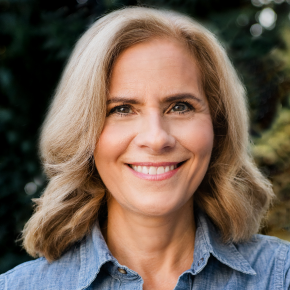
By Sonia Singh, LCSW
More than 1 in 5 people in the United States speak a language other than English at home. If you identify as bilingual or multilingual, language may be an important thing to consider when choosing a therapist.
You may be wondering how to find a therapist who feels like the right fit for you, and whether that means choosing someone who speaks the same language or languages you do. The answer is personal. For some people, working with a bilingual therapist is essential. For others, it may matter more that the therapist is culturally curious, respectful, and comfortable exploring the role language plays in identity, family, emotions, and healing.
To help you think this through, here are some questions to consider.
Do you feel comfortable with your therapist?
Whether you are looking for therapy for anxiety, trauma, life transitions or relationship stress, this should always be the first question to ask yourself. Most therapists will provide a free 15 minute “get to know you” consultation prior to scheduling regular sessions.
Notice How You Feel When You Speak
Notice if you feel worried about “making a mistake” when speaking to the therapist. Do you realize you are repeating yourself to the therapist, and having to frequently clarify what you just said? Is this explaining taking away significant time from moving forward in the therapeutic work?
When Explaining Gets in the Way of Therapy
Do you feel that your therapist does not understand you, perhaps due to your accent, grammatical structure or slang? Explore if this is a matter where you are unable to describe your thoughts and feelings due to word choice, or if you feel intimidated speaking in front of your therapist. You should feel at ease expressing yourself, or it will be very hard to experience any benefit from therapy.
Do You Find Yourself Mixing Languages?
It is very common for multilinguals to mix languages when speaking. We may not even be aware of what language we are speaking in real time. This is a practice that monolinguists may not understand. This can therefore be an issue if your therapist does not comprehend both languages, or if the therapist does not bring this to your attention when needed. Also keep in mind that many people understand a spoken language, even if they are not able to respond or speak in that language themselves. It could be that your therapist knowing the language is enough for you, even if they respond only in English.
Code-Switching Can Be Natural and Meaningful
Sometimes, the mixing of different languages is intentional. There are some words and terms that simply do not exist in some languages, or words that can mean two different things and require context. In French, the word “curious” can mean either inappropriately nosy or just inquisitive. In Kinyarwanda, the word for “problem” and “question” are the same.
Research on bilingual code-switching also suggests that language switching can be connected to emotion, context, and how people access different parts of their experience.
Some Feelings May Belong to a Certain Language
Language switching may also be due to the subject matter you are discussing. Think about what you want to focus on in therapy, and if this is related to a certain time period in your life. You may tie certain languages to events from childhood or with specific family members. You might prefer describing specific events in the language in which they took place, switching from one language to another where this is relevant.
Language and Culture Are Not the Same Thing
Cultural responsiveness in therapy matters: language, identity, family structure, values, and lived experience all shape how people make meaning. There is a difference between cultural fit and language. For languages spoken widely across the globe, namely but not limited to Spanish, French, Arabic and English, not only are there varying accents, dialects and expressions, but also vast cultural differences. Of course, there are also countries in which several different languages are spoken.
Country, Culture and Family Expectations
Consider if you are looking for a therapist who is familiar with the history and culture of a specific country or region rather than a language. Are you looking for a therapist who is more individualist or collectivist oriented? Do you want someone who understands a specific style of family dynamics, expectations, and hierarchies? Do you feel that your therapist is comfortable with navigating multiple cultures and norms such as ways to celebrate milestones, familiarity with certain holidays, or other traditions? Such differences can sometimes lead to misunderstandings in therapy. For example, graduation ceremonies below the university level are uncommon in much of the world. A therapist in the United States may misunderstand you or your family member’s lack of enthusiasm in what is considered a major celebration in the United States.
Shared Language Doesn’t Always Mean Shared Experience
Instead of language, you may prefer a therapist who is familiar with specific cultural reference points such as pop cultural icons, music, food, and movies. Do you want a therapist who is staying informed about news within that country that is not covered globally? Be mindful that even if your therapist is from your country of origin, they may not be familiar with the many changes that have taken place, and the way that country looks today. You may prefer someone who speaks your languages, but are worried about being judged for not following cultural norms of a shared country of origin.
Consider Assumptions and Biases
As we are imperfect human beings, we all harbor biases. If a therapist’s language, culture, or country of origin is important to you, consider assumptions that you may be making.
A Therapist's Name or Appearance Doesn’t Tell the Whole Story
You may find yourself presuming a therapist’s background based on their name or how they look. My first and last name are very common in India, and I sometimes receive inquiries from potential clients looking for an Indian therapist. However, I am not Indian nor do I speak any Indian languages. I do have more familiarity with Indian laws, cultural references and history than the average non- Indian person would, due to the family I have blended into. One would have to look at my bio to see that I am half French, a fluent French speaker and that I have also lived in Rwanda for several years.
Identity Can Be Complicated
Be aware of other assumptions you or your therapist may be making about each other, such as religious beliefs or economic status. Notice when these biases come up and how you feel bringing them to your therapist’s attention. An oft made statement may be, “You speak English so well”, which is never a compliment unless a person explicitly states they feel uneasy about speaking English. Another commonly held belief is assuming you or a family member moved to the US for an improved quality of life, or that you plan on staying in the US long term. You may have lived in many different countries throughout your life, and do not consider any one country your home. You may have two or more parents from different countries or who speak different languages from each other as well as stepparents and stepsiblings from different backgrounds. “What is your background” could be a difficult question to answer. Perhaps identity is the very thing you are coming to therapy to explore.
How to Start Looking for a Bilingual or Multilingual Therapist
Therapy directories including Alma and Psychology Today allow you to filter by language. Many therapists will list their spoken languages on their websites. You may also find referrals via community groups such as language schools or find a local WhatsApp group of people who speak your languages. You can post anonymously on local Facebook groups of shared language or country of origin. Feel free to discuss your bilingualism or multilingualism with your potential therapist during a consultation as well as what this means to you. You can also ask if the potential therapist is comfortable providing therapy in your language of choice.
Questions to Ask During a Consultation with a Therapist
During a consultation, you may want to ask:
- Do you provide therapy in my preferred language?
- Are you comfortable if I switch between languages during sessions?
- Do you understand my language, even if you respond in English?
- How do you approach culture, identity, and family dynamics in therapy?
- Have you worked with clients who are bilingual or multilingual?
Final Thoughts on Choosing a Bilingual Therapist
In the end, only you know if a bilingual or multilingual therapist is necessary for you to feel comfortable, heard, and understood. Ask yourself how comfortable you are describing your emotions in one language versus another. Sometimes, this level of comfort builds gradually and involves mutual learning between you and your therapist. Your feelings about wanting a bilingual therapist may change over time as you do the therapeutic work, or seek therapy for different issues. Remember that a bilingual therapist who is not a good fit in other ways will not serve you well, and that a skilled, culturally curious therapist who does not share your language can still do profound work with you.

Sonia Singh, LCSW is a bilingual therapist, providing therapy in English and French. Ms. Singh is licensed in NY, NJ, and FL. She specializes in trauma, anxiety, and major life transitions. Ms. Singh provides EMDR, CBT, and psychodynamic therapies. You can find Ms. Singh and schedule a consultation at the following websites: www.soniasinghtherapy.com
https://www.psychologytoday.com/us/therapists/sonia-singh-florham-park-nj/751610
https://secure.helloalma.com/providers/sonia-singh/